News, articles & insights from our team.
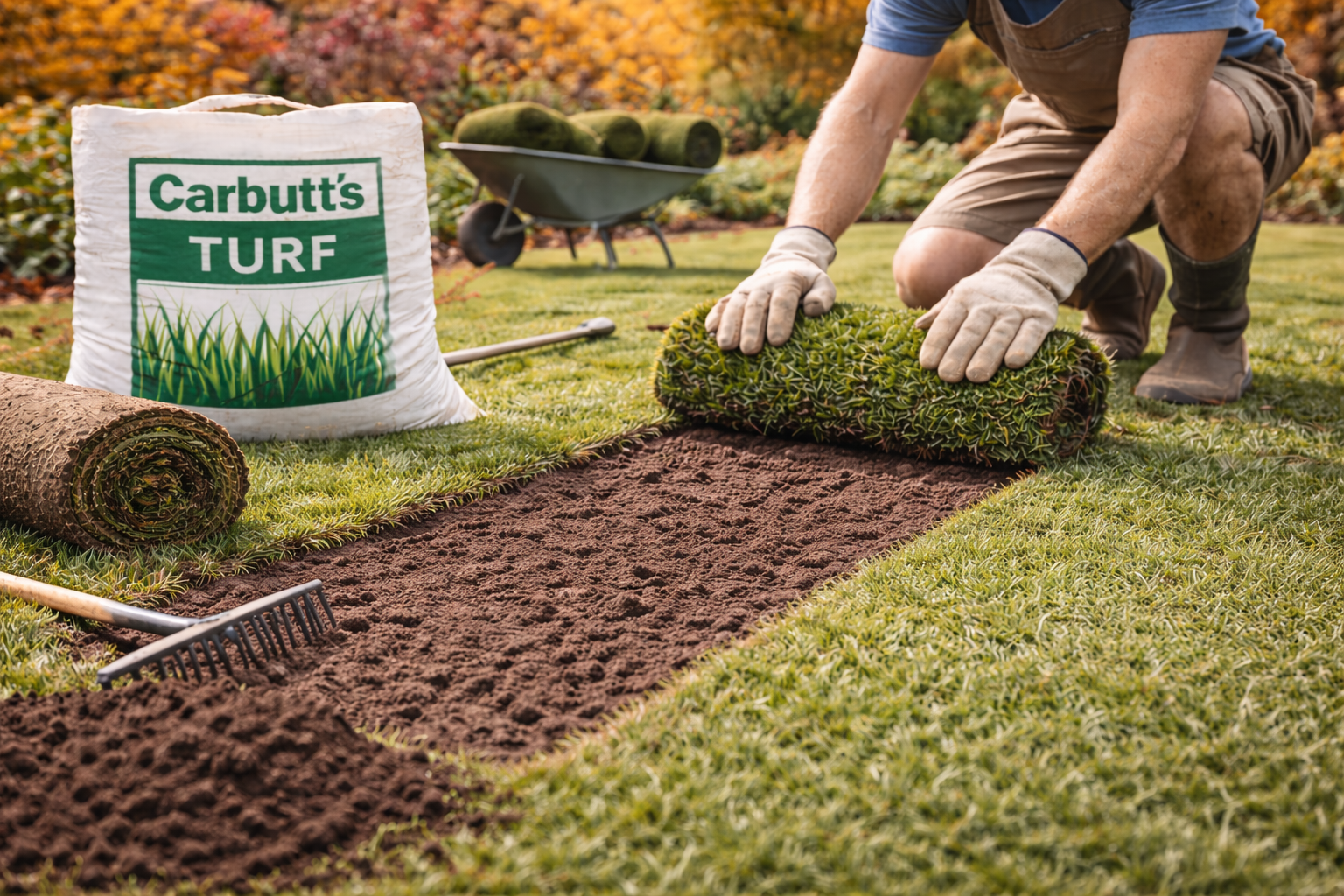
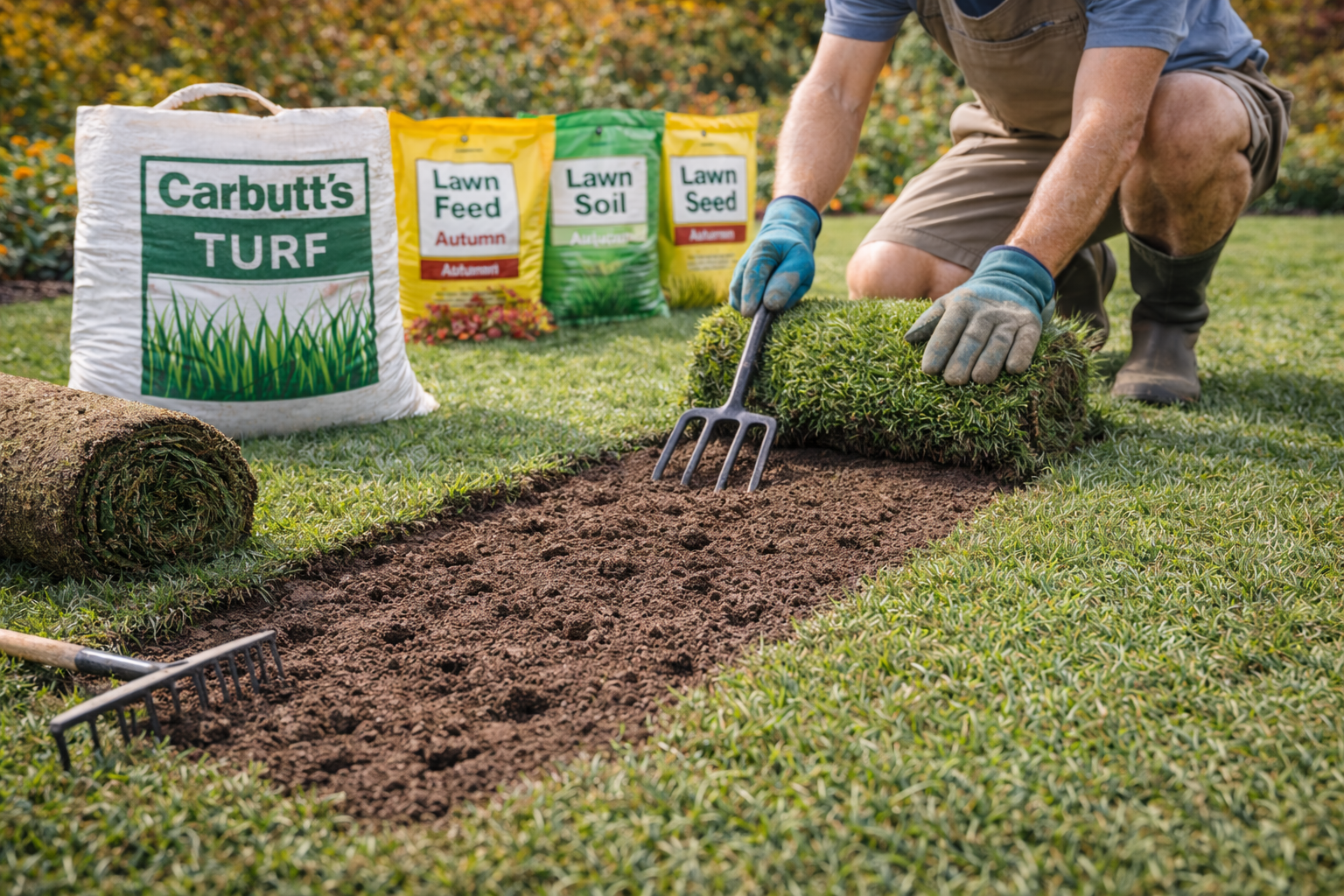
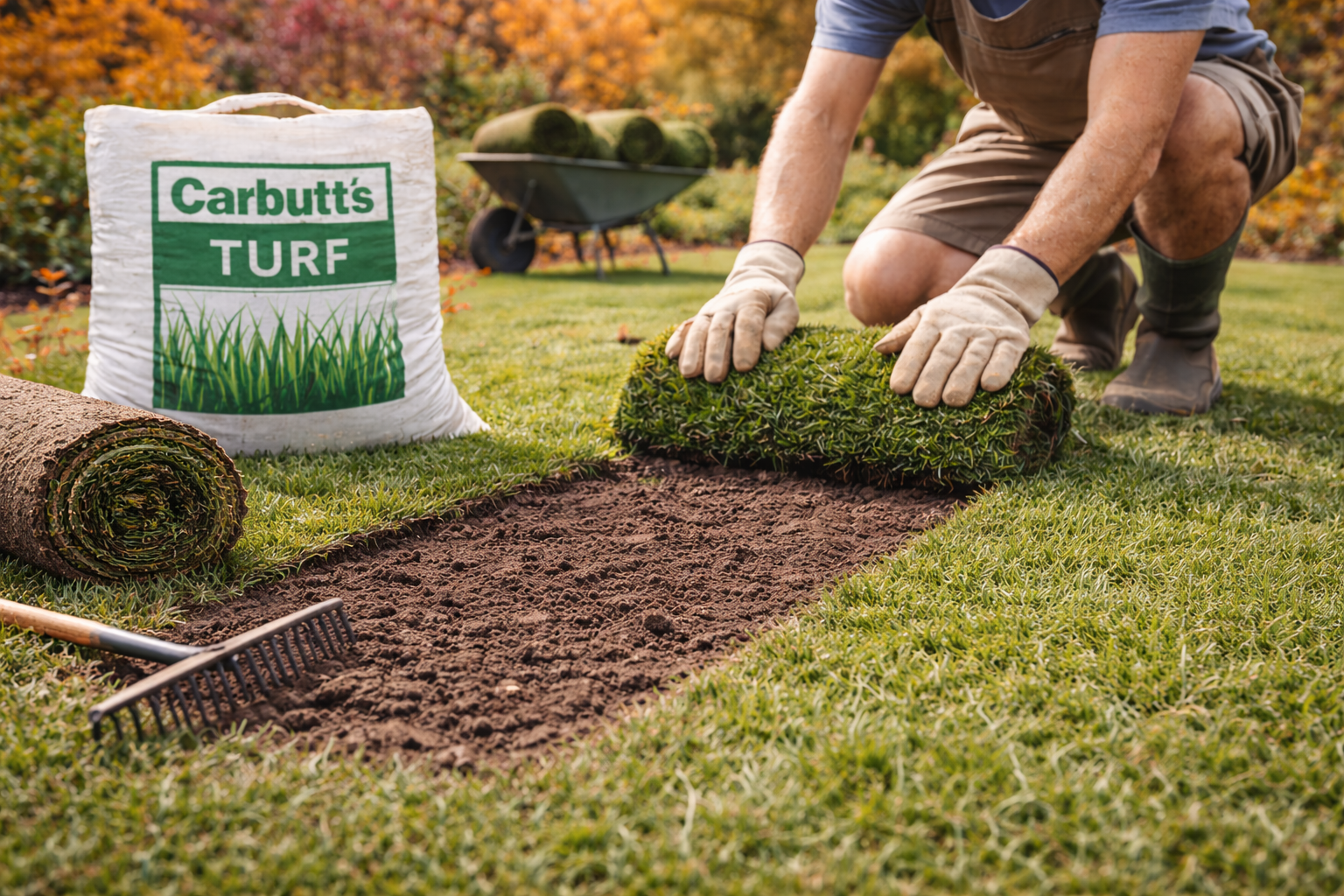
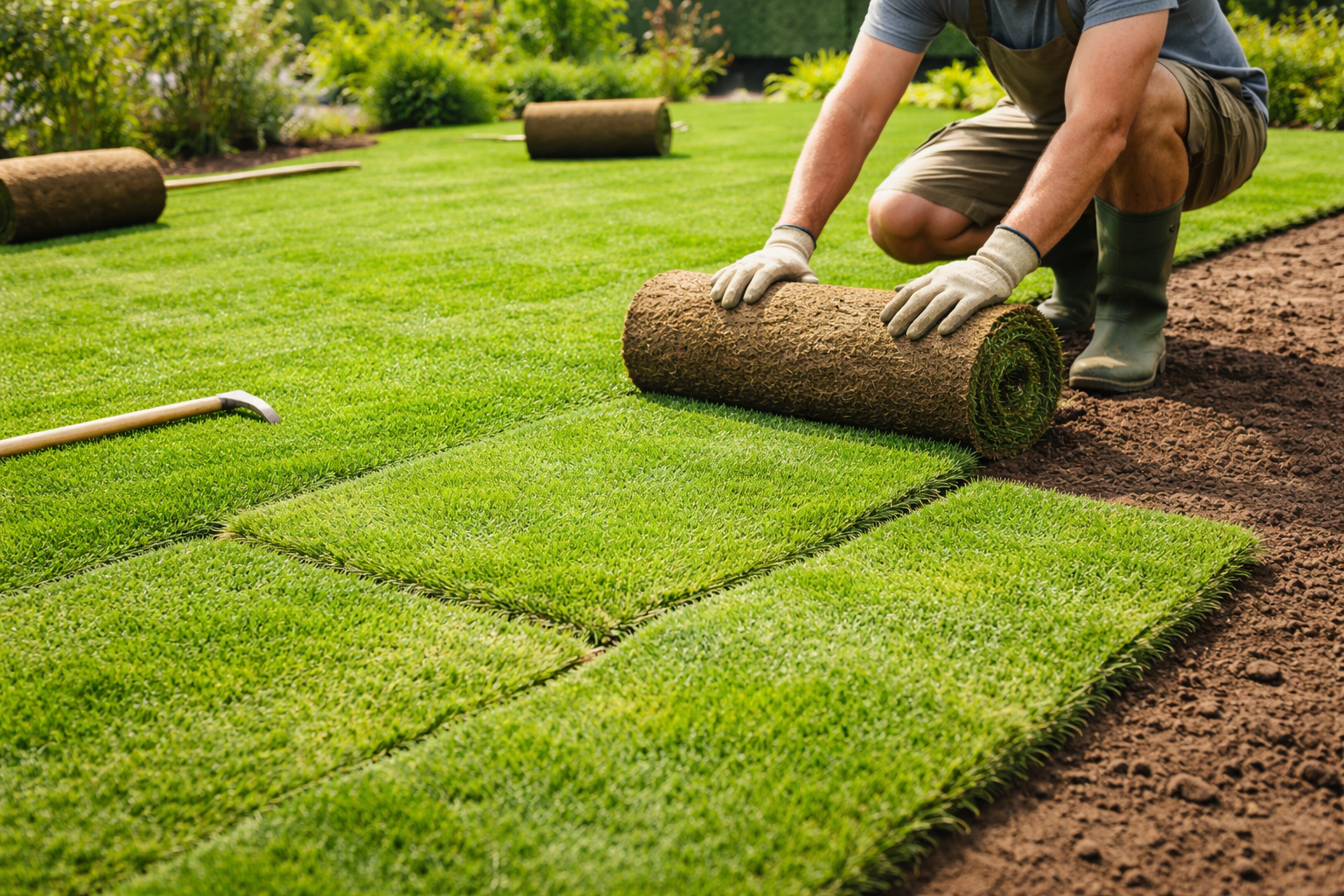
October is one of the best months of the year to lay turf in the UK. While many homeowners assume that spring is the ideal time to create a new lawn, autumn conditions can actually provide an even better environment for turf installation.
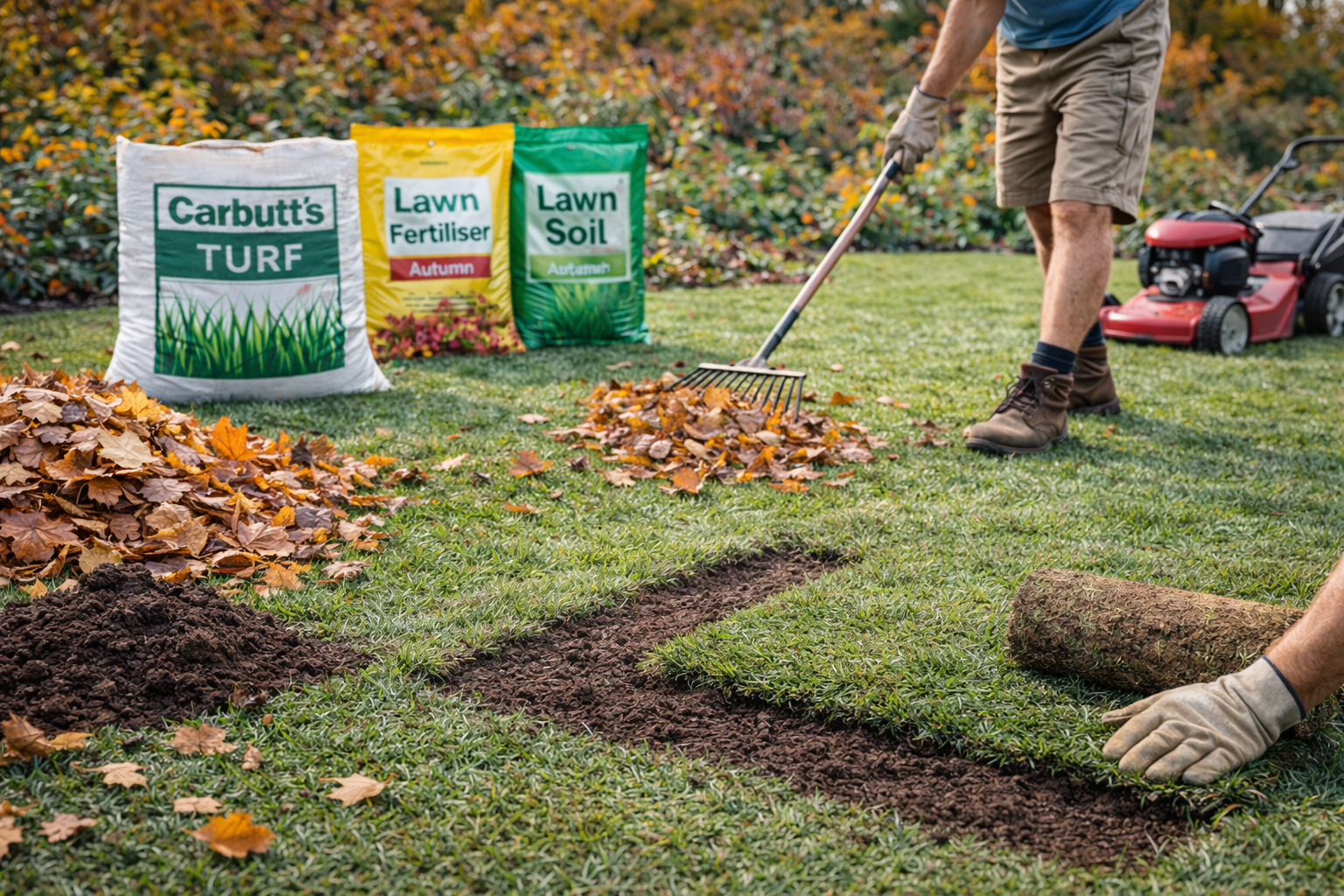
As the growing season begins to slow, maintaining your lawn during autumn is essential for keeping it healthy and green.
September is one of the most important months for lawn maintenance in the UK. As temperatures cool and rainfall increases, grass begins another period of strong growth.
Many homeowners assume spring is the only good time to lay turf, but autumn is actually one of the best seasons for installing a new lawn.
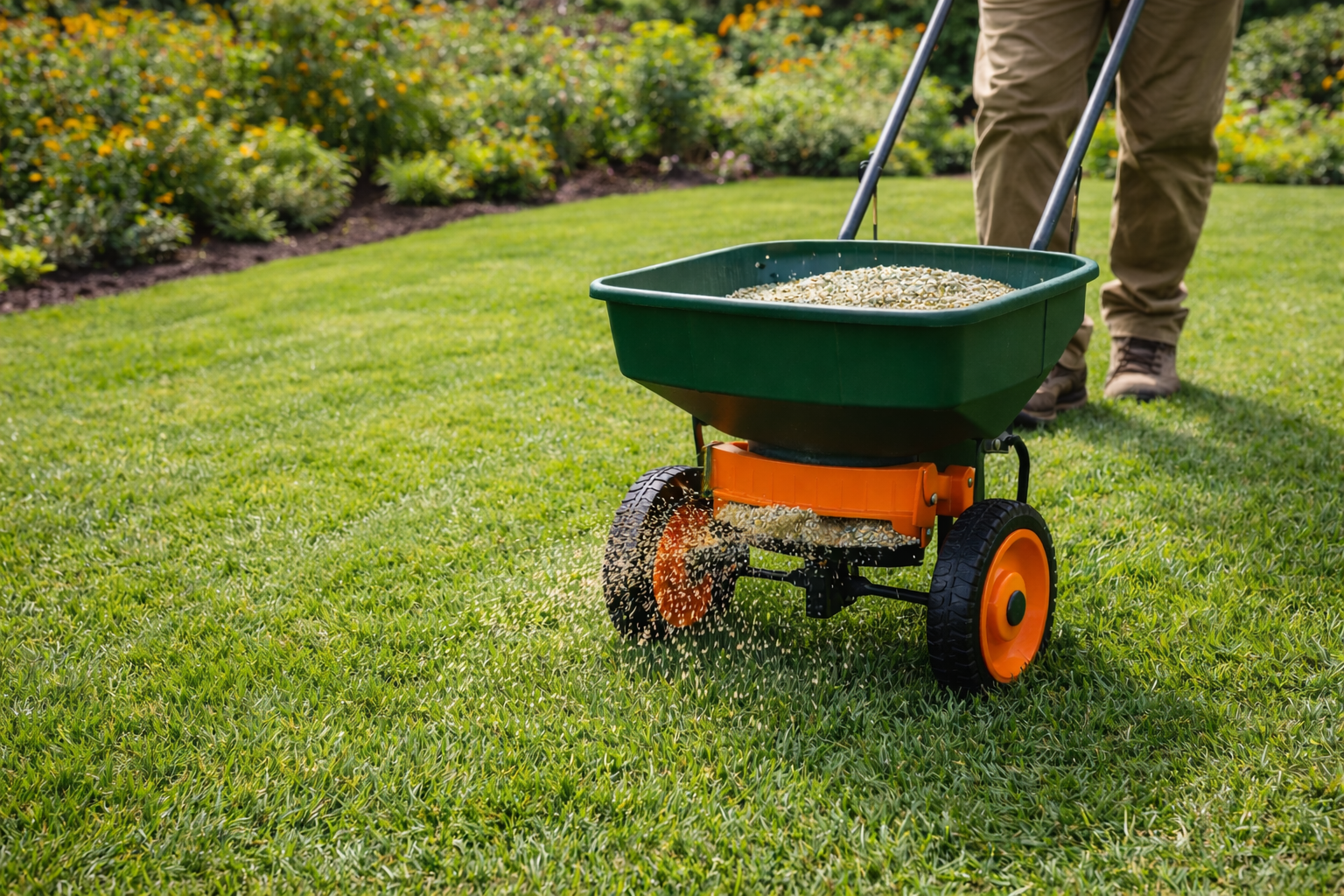
As summer begins to wind down, August is the perfect time to start preparing your lawn for autumn growth. After weeks of warm weather and heavy use from outdoor activities, many lawns start to show signs of stress such as dry patches, compacted soil, or thinning grass.
Bare patches in lawns can occur for several reasons including pets, heavy use, drought, or poor soil.
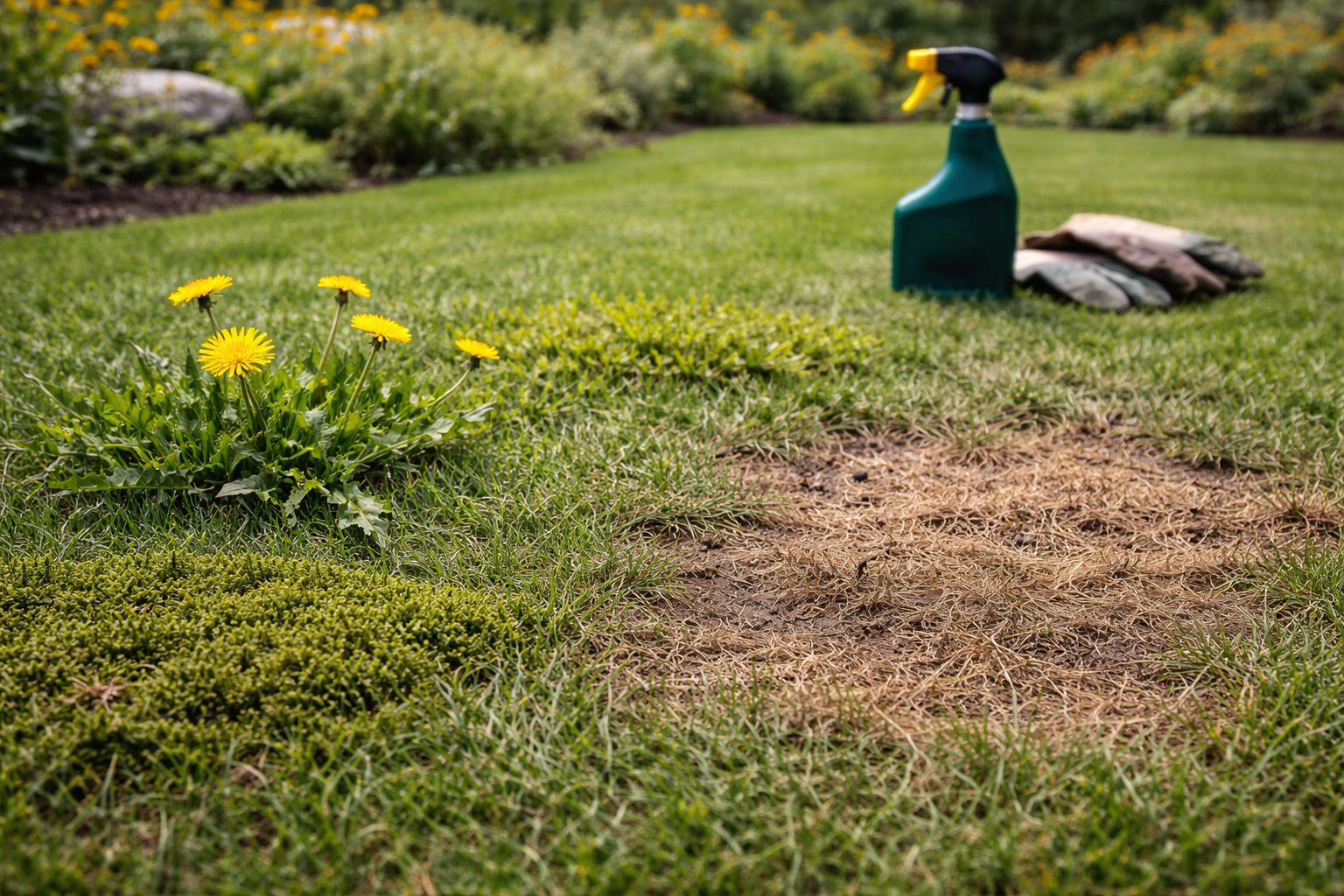
Summer is when lawns are most actively used, but it’s also when certain lawn problems become more noticeable. Warm weather, increased foot traffic, and occasional dry conditions can all affect lawn health.
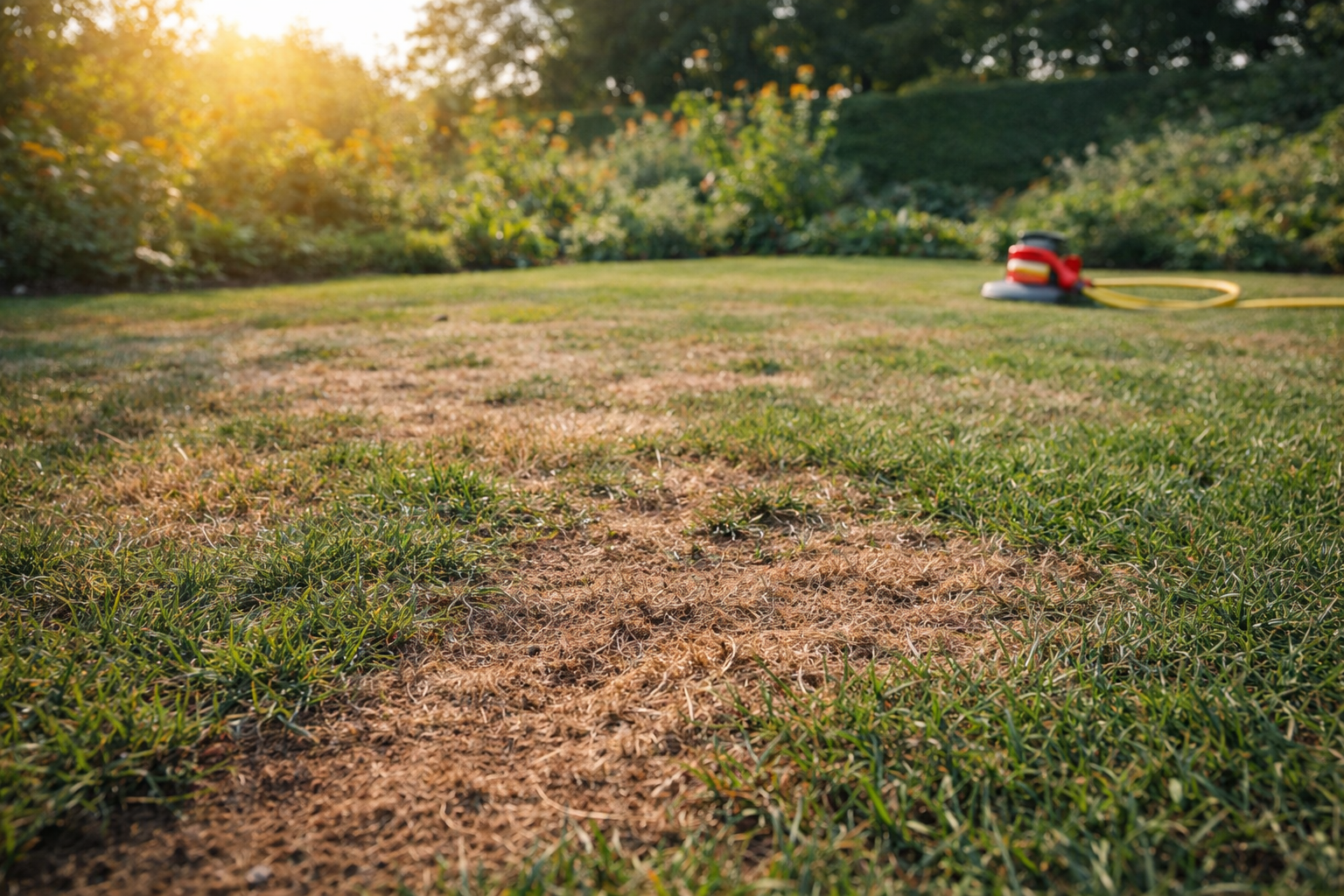
Although the UK climate is generally mild, heatwaves and prolonged dry periods can occur during summer months. These conditions can quickly cause lawns to become dry, patchy, and stressed.
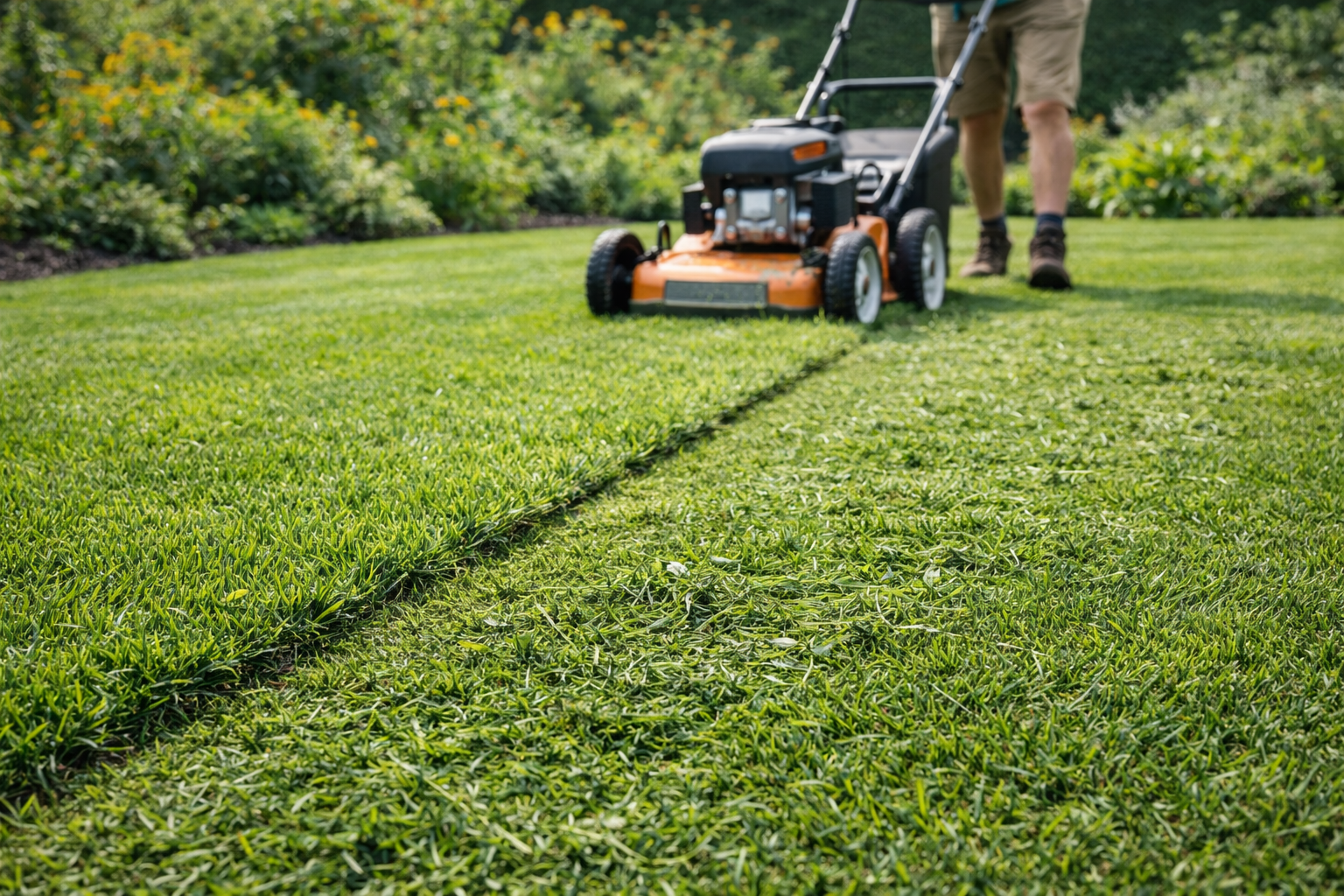
June marks the start of the peak lawn growing season across the UK. Warmer temperatures, longer daylight hours, and regular rainfall create ideal conditions for grass to grow quickly and develop thick, lush coverage.
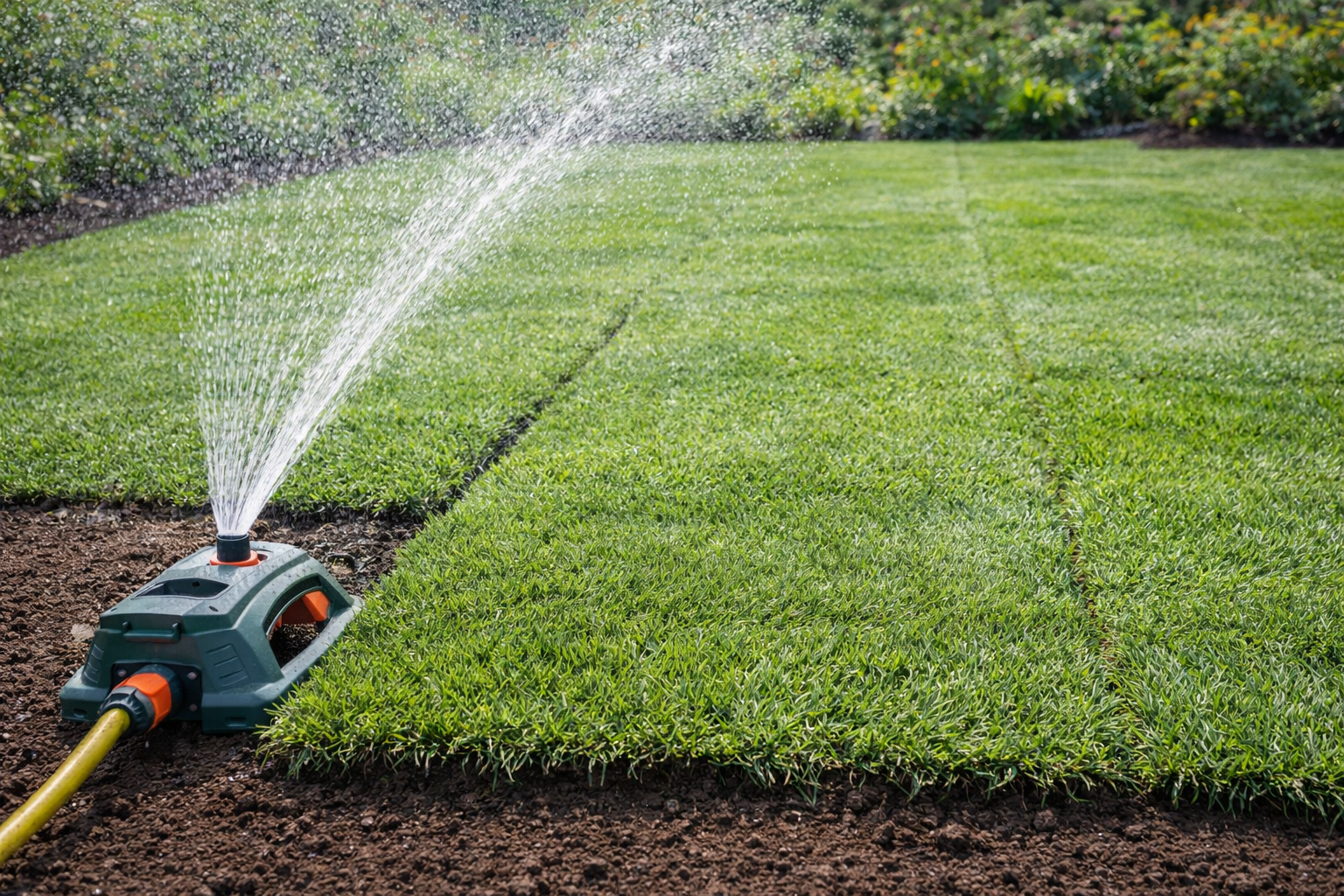
One of the most important factors in successful turf installation is proper watering. Newly laid turf requires consistent moisture to establish strong roots.
After winter, many lawns appear pale, thin, or patchy. This is completely normal as grass uses much of its stored nutrients during the colder months.
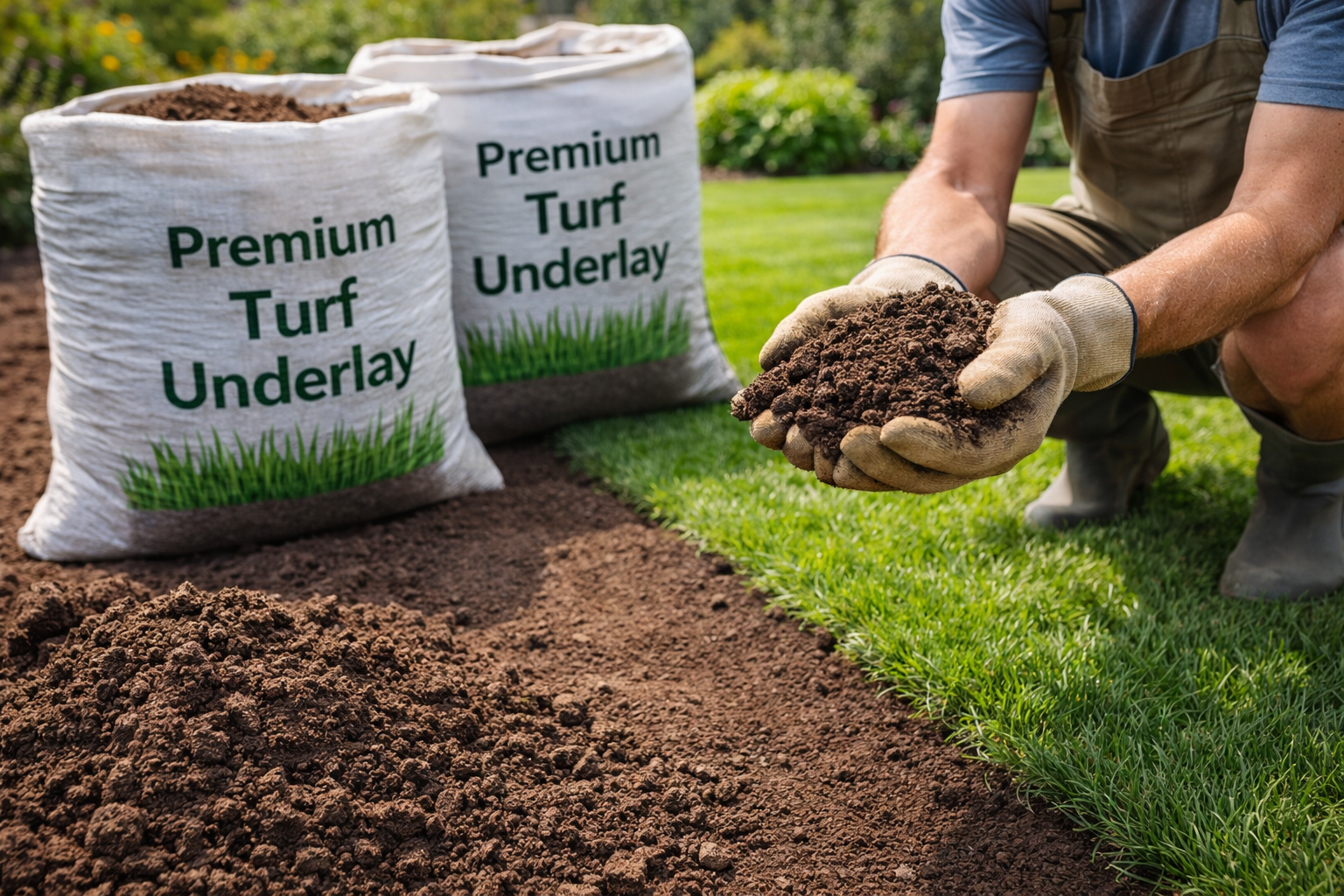
When it comes to creating a healthy lawn, what lies beneath the grass is just as important as the turf itself. High-quality soil provides the nutrients, drainage, and structure needed for grass to grow strong roots and maintain vibrant colour.
April is one of the best months of the year to lay new turf in the UK. Soil temperatures begin to rise, rainfall is usually consistent, and grass naturally starts growing again after winter dormancy. If you're planning to install a new lawn, following the correct steps will ensure your turf establishes quickly and grows into a healthy, long-lasting lawn.
As spring arrives, it's the perfect time to refresh your outdoor space. Whether you're revitalizing an existing lawn or starting anew, this season offers prime opportunities. Join us for essential tips on spring lawn preparation and laying new turf to elevate your outdoor oasis.
Summer bedding plants add a rainbow of colour to your garden, but as the autumn months approach, they can start to fade – so what are the best late summer flowers to keep your garden looking great for as long as possible?
Mushrooms growing in your garden can be quite welcome if they’re safe to eat, but mushrooms growing in your lawn is a very different matter.
This month is No Mow May, when gardeners are encouraged to let their grass grow wild – think of it as being like Movember for your lawn!
This record-breaking summer season is far from over, and with more heat waves on the horizon, it’s high time to learn some simple lawn care tips to help your garden to have green grass throughout the summer months.
Winter is always a difficult time for the people responsible for sports pitch maintenance. Whether you are looking after pitches for a professional club or a community team, the season creates new pressures for football pitch care.
Put in a little lawn maintenance now and your grass will be in the best condition for winter, when more persistent rain, snow and frost make it more difficult for lawns to recover from damage.
The autumn months are the most likely time of year to encounter red thread in lawns. Spotting it for the first time can be quite alarming – but don’t worry, your lawn hasn’t been invaded by Martians.
As the winter months set in and your grass enters its dormant phase, it’s actually an excellent time of year to carry out a little lawn care.
If you have pets in the house, a pet-friendly garden is a great way to let them safely play outdoors, get some fresh air, and stretch those furry little legs.